Planning for Growth: Designing Commercial Spaces That Can Scale Over Time
Business growth is an exciting milestone, but when facilities aren't designed with growth in mind, expansion can quickly become a costly, disruptive challenge.
Many organizations find themselves outgrowing their space faster than expected, forcing rushed renovations, inefficient layouts, or temporary workarounds that strain operations.
Scalable commercial design helps businesses avoid those problems by planning for change from the very beginning.
Instead of reacting to growth after it happens, organizations can create spaces that adapt as their needs evolve.
What Scalable Design Really Means
Scalable design doesn't require predicting every future detail of how a business will operate.
Instead, it focuses on flexibility. The goal is to create a building that can support change, whether that means adding staff, expanding departments, introducing new technology, or reconfiguring workflows.
A scalable space allows businesses to adjust without having to start over. It supports growth without forcing major construction every time needs shift, protecting both time and investment.
Common Growth Challenges Businesses Face
Many commercial spaces are designed to meet immediate needs, leaving little room for expansion. As organizations grow, they may encounter challenges such as overcrowded offices, insufficient production or storage space, or layouts that no longer support how teams work.
Technology upgrades can also create strain. As equipment and systems evolve, buildings that weren't designed with flexibility in mind may struggle to accommodate increased power demands, data infrastructure needs, or climate-control requirements.
When growth is handled reactively, renovations often become more disruptive and expensive than necessary.
Flexible Layouts That Adapt Over Time
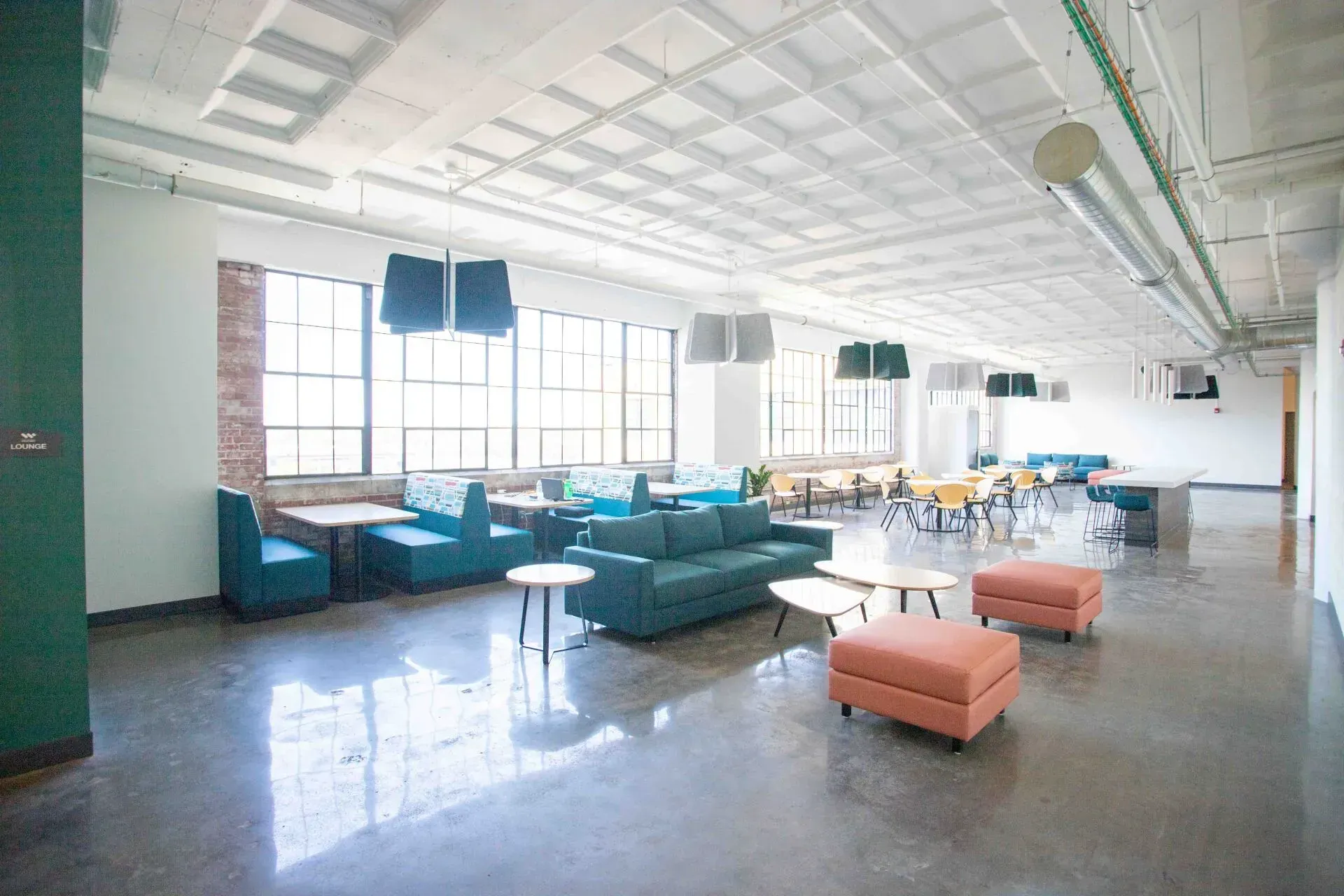
One of the most effective ways to design for growth is through adaptable layouts. Flexible floor plans allow spaces to change function without extensive reconstruction.
Features such as modular walls, movable partitions, and multi‑use areas enable organizations to reconfigure their space as needs change. Open areas can be designed with future subdivision in mind, allowing businesses to add offices, meeting rooms, or workstations later without major disruption.
By prioritizing flexibility, businesses can extend the lifespan of their space and reduce the need for frequent renovations.
Infrastructure Planning That Supports Expansion
While finishes and layouts are easy to see, a building's infrastructure often determines how well it can scale. Electrical capacity, data systems, and HVAC are much harder and more expensive to upgrade after construction is complete.
Designing with growth in mind means planning these systems beyond current needs. Leaving room for additional equipment, increased occupancy, or future technology upgrades can prevent costly retrofits down the road.
Infrastructure planning is one of the most impactful ways to future‑proof a commercial space.
Designing With Phasing in Mind
Phased construction and renovation strategies are another important component of scalable design. Instead of expanding all at once, businesses can grow in stages as needs and budgets allow.
Spaces designed with phasing in mind make it easier to expand without interrupting daily operations.
This approach is especially valuable for organizations that need to remain operational while growing.
Thoughtful phasing reduces downtime, supports continuity, and allows businesses to adapt without unnecessary stress.
Balancing Today's Budget With Tomorrow's Needs
One of the biggest concerns business owners have about scalable design is cost. Planning for future growth can feel like an added expense, especially when immediate budgets are tight.
However, retrofitting a space that wasn't designed for expansion is often much more expensive than planning ahead.
Scalable design helps control long‑term expenses by reducing future demolition, minimizing downtime, and avoiding rushed decision‑making.
When viewed over the life of the building, strategic planning often delivers significant value.
The Importance of Collaboration Early On
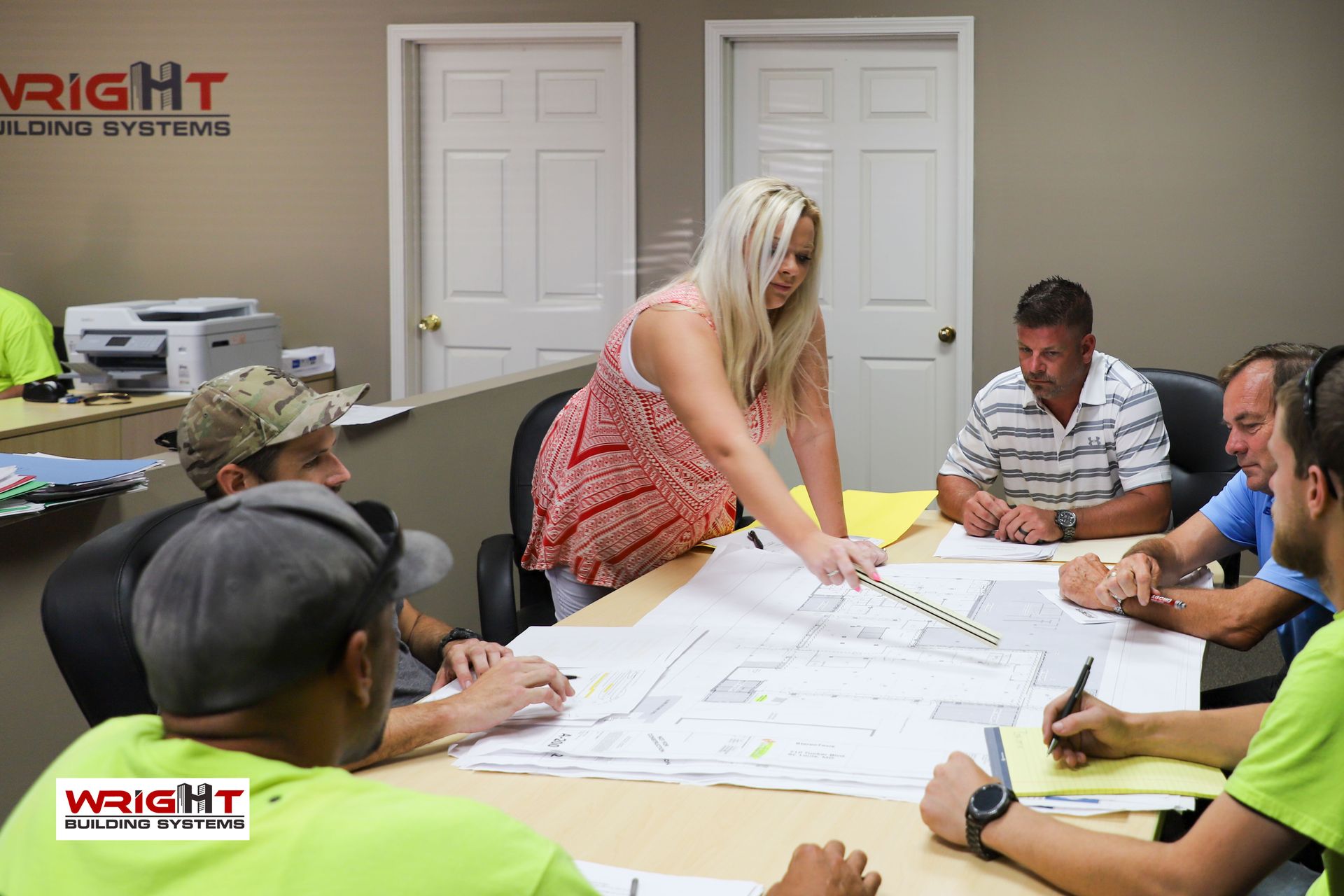
Scalable design works best when owners, designers, and contractors collaborate early in the process.
Early involvement helps identify potential growth challenges and ensures that design decisions align with real‑world construction and operational needs.
Experienced commercial contractors bring valuable insight into how spaces perform over time. Their perspective helps translate long‑term goals into practical solutions that balance flexibility, budget, and constructability.
Knowing When to Plan for Growth
Some organizations assume they'll address growth when it happens, but certain signs indicate it's time to start planning now.
Rapid hiring, evolving services, equipment upgrades, or changes in workflow all suggest that future space needs may look different from today's.
Starting the conversation early gives businesses more options. Waiting too long can limit flexibility and increase costs.
Designing commercial spaces that scale over time allows businesses to grow with confidence.
By prioritizing flexibility, carefully planning infrastructure, and collaborating early, organizations can create environments that support long‑term success without constant disruption.
Partner With Wright Building Systems
If your business is planning for growth or anticipating future changes, early conversations can make all the difference.
Wright Building Systems partners with organizations to design and build commercial spaces that support long‑term flexibility, operational efficiency, and sustainable growth.
Contact us today to talk about your project!