Why Team Building Matters in Commercial Construction
In commercial construction, success is often measured by timelines, budgets, and the quality of the finished structure.
But behind every well-executed project is something just as important: a strong, connected team.
From project managers and supervisors to field crews and support staff, team building plays a critical role in how efficiently, safely, and successfully work gets done.
Construction Is a Team Sport
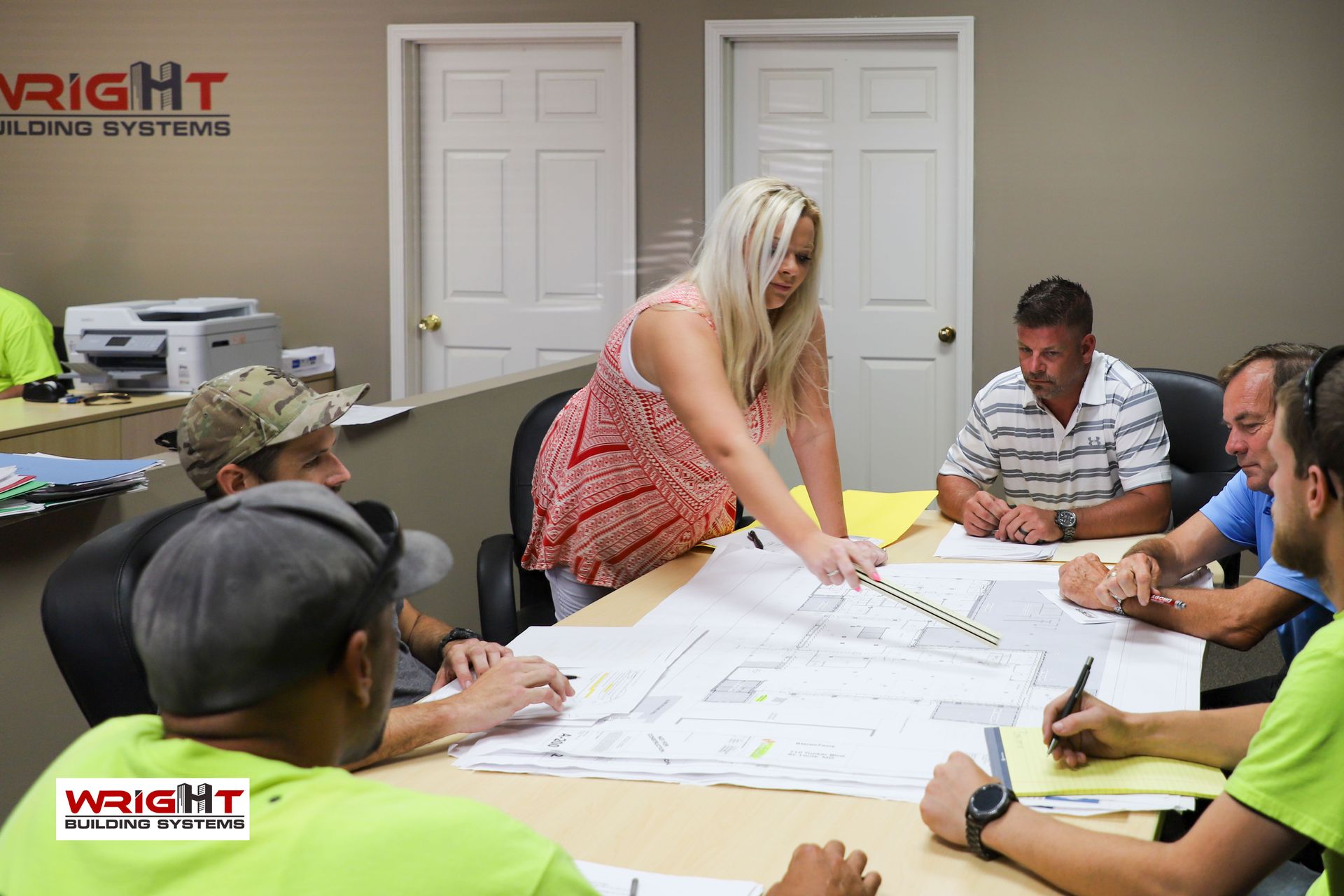
Commercial construction projects involve constant coordination. Crews must work together across trades, adapt to changing conditions, meet tight deadlines, and maintain strict safety standards.
When communication breaks down or team members aren’t aligned, minor issues can quickly turn into costly delays or safety risks.
That’s why team building in construction goes far beyond morale. It creates the foundation for trust, accountability, and collaboration: all essential elements on any jobsite.
What Team Building Really Means on the Jobsite
Team building isn’t limited to occasional off-site events or group lunches. In a construction environment, it’s about creating systems and habits that enable people to work more effectively together every day.
- Clear communication between leadership and crews
- Shared expectations and goals
- Mutual respect among team members
- Opportunities for feedback and growth
When crews understand their roles and trust one another, projects run smoothly, and problems are resolved more efficiently.
Improved Safety Through Stronger Teams
Safety is one of the most important outcomes of effective team building. On a jobsite, team members rely on one another to follow procedures, identify hazards, and speak up when something doesn’t look right.
When teams are cohesive, workers are more likely to:
- Communicate safety concerns openly
- Watch out for one another
- Take ownership of safety protocols
A culture built on trust and teamwork helps reduce incidents and reinforces the idea that everyone is responsible for maintaining a safe work environment.
Increased Productivity and Efficiency
Teams that work well together are more productive. Clear communication reduces rework, misunderstandings, and downtime, ultimately leading to increased productivity and efficiency.
When crews are aligned, tasks are completed more efficiently, and transitions between phases happen smoothly.
Team building also helps eliminate silos. When departments and crews understand how their work connects to the bigger picture, they can better anticipate challenges and adapt to changes without losing momentum.
Higher Quality Workmanship
Pride in craftsmanship grows when team members feel valued and connected to their work. Strong teams take collective ownership of the work being done, resulting in greater attention to detail and higher-quality results.
In construction, quality isn’t just about materials; it’s about execution. A unified team is more likely to uphold standards, address issues proactively, and deliver projects that meet or exceed client expectations.
Better Morale and Employee Retention
The construction industry continues to face ongoing workforce challenges, including labor shortages and high employee turnover rates. Team building helps address these issues by creating a positive work environment where employees feel supported and respected.
When workers feel connected to their crew and the company, they’re more likely to stay productive employees.
- They’ll stay engaged
- They’ll take pride in their work
- They’ll remain with the company long-term
This stability benefits both employees and clients by maintaining consistency and experience across projects.
Team Building Starts With Leadership
Leadership plays a vital role in fostering team unity. Setting clear expectations, communicating openly, and leading by example all contribute to a strong team culture.
Effective leaders encourage collaboration, recognize individual contributions, and create opportunities for growth. Whether through mentorship, training, or regular check-ins, leadership involvement demonstrates to crews that they are valued not just for what they build, but for who they are.
Team Building Beyond the Jobsite
While jobsite practices are critical, team building doesn’t stop when the workday ends. Company-wide initiatives such as training programs, safety meetings, and recognition efforts help strengthen relationships across departments.
These efforts create alignment between office staff and field crews, reinforcing a shared mission and consistent standards throughout the organization.
Work With Wright Building Systems
Team building is not a one-time effort. It’s an ongoing investment in people, communication, and culture. The payoff is clear: safer job sites, stronger performance, higher-quality work, and better outcomes for clients.
Greater St. Louis business owners consistently trust Wright Building Systems to manage these complex projects from start to finish. We are committed to safety, security, and delivering finished spaces that exceed expectations.
Our dedicated team has the experience, technical skills, and specialized equipment needed to complete your project efficiently and to the highest standards.
Let’s get in touch today to discuss how we can help bring your secure facility project to life.
Start Here